Not a portfolio. Proof. Each of these began as an idea and became something people believe in: brands, ventures, institutions, intellectual property. The throughline is building, not advertising.
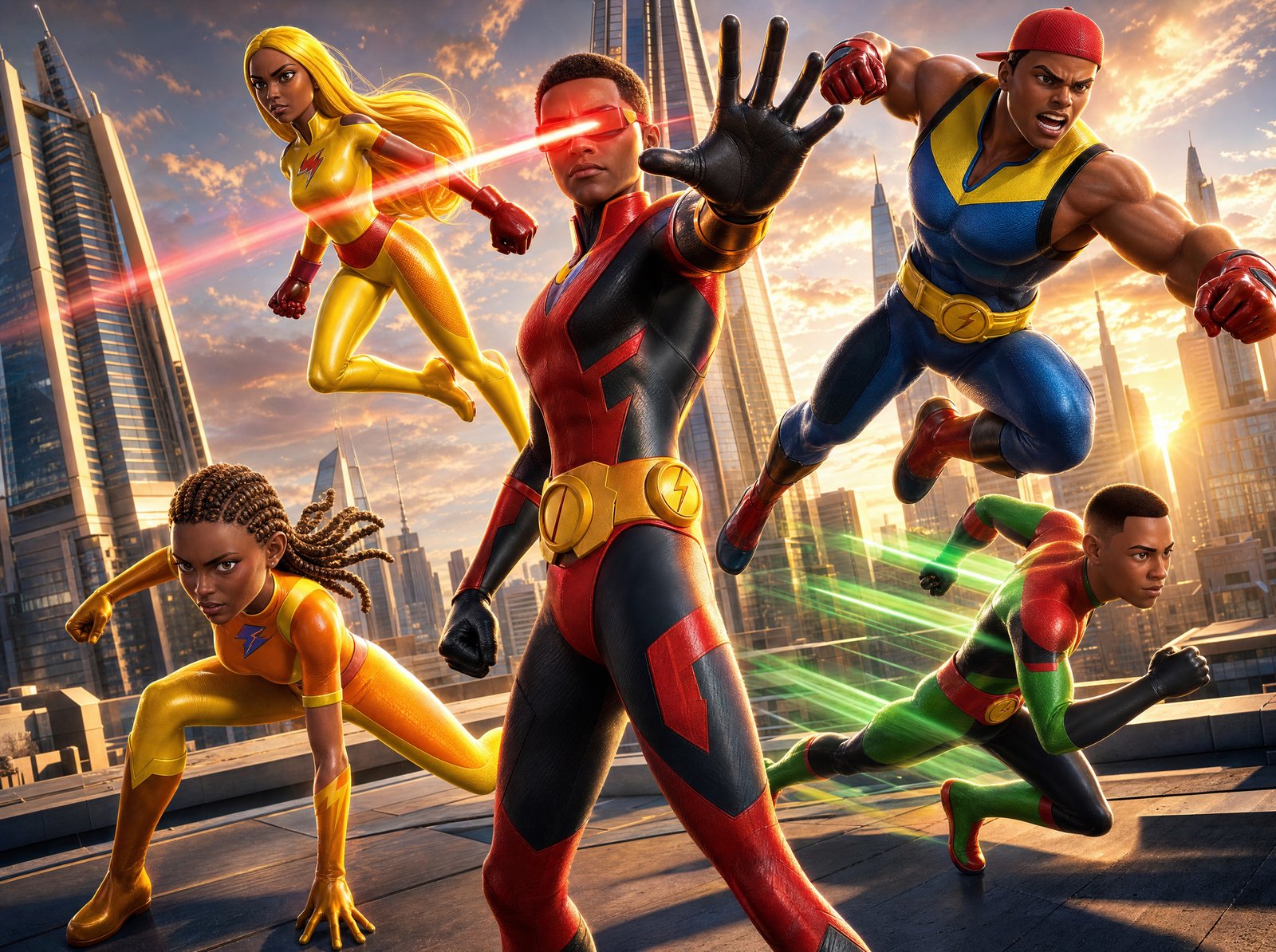
A beloved superhero team created for Indomie to inspire children, each embodying a different nutrient found in the noodles. Not a campaign mascot. A brand universe, built from a nutritional fact.
The concept became Nigeria's first animated show produced for a brand. Proof that local IP could carry the weight of global entertainment. The characters still run today.
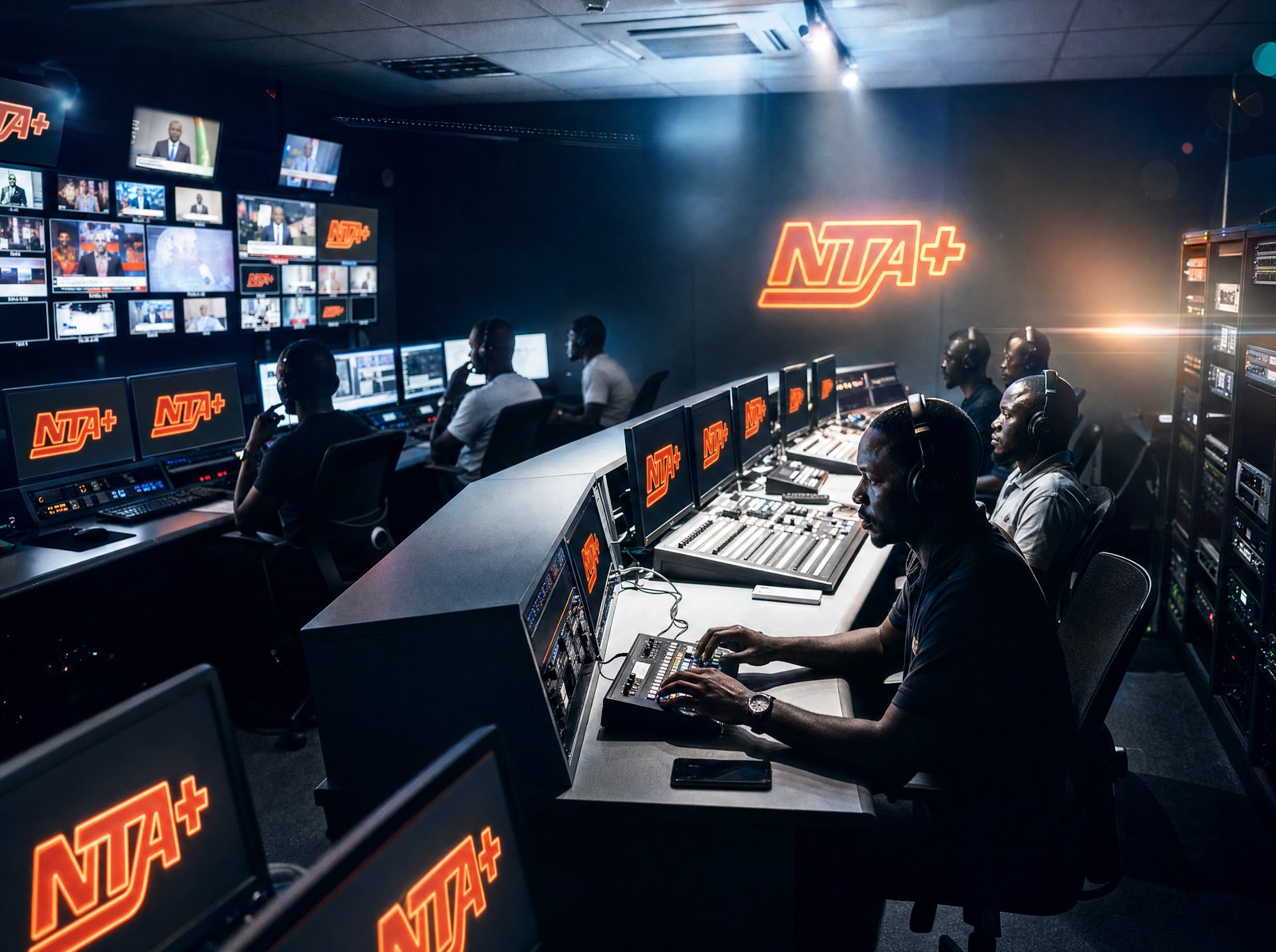
Nigeria's national broadcaster, reimagined as a subscription streaming platform. From institutional monolith to modern media brand: architecture, naming, identity and launch strategy.
The brief was to build a brand capable of competing with Netflix and Showmax on African soil. NTA+ launched as the country's first national streaming service in 2023.
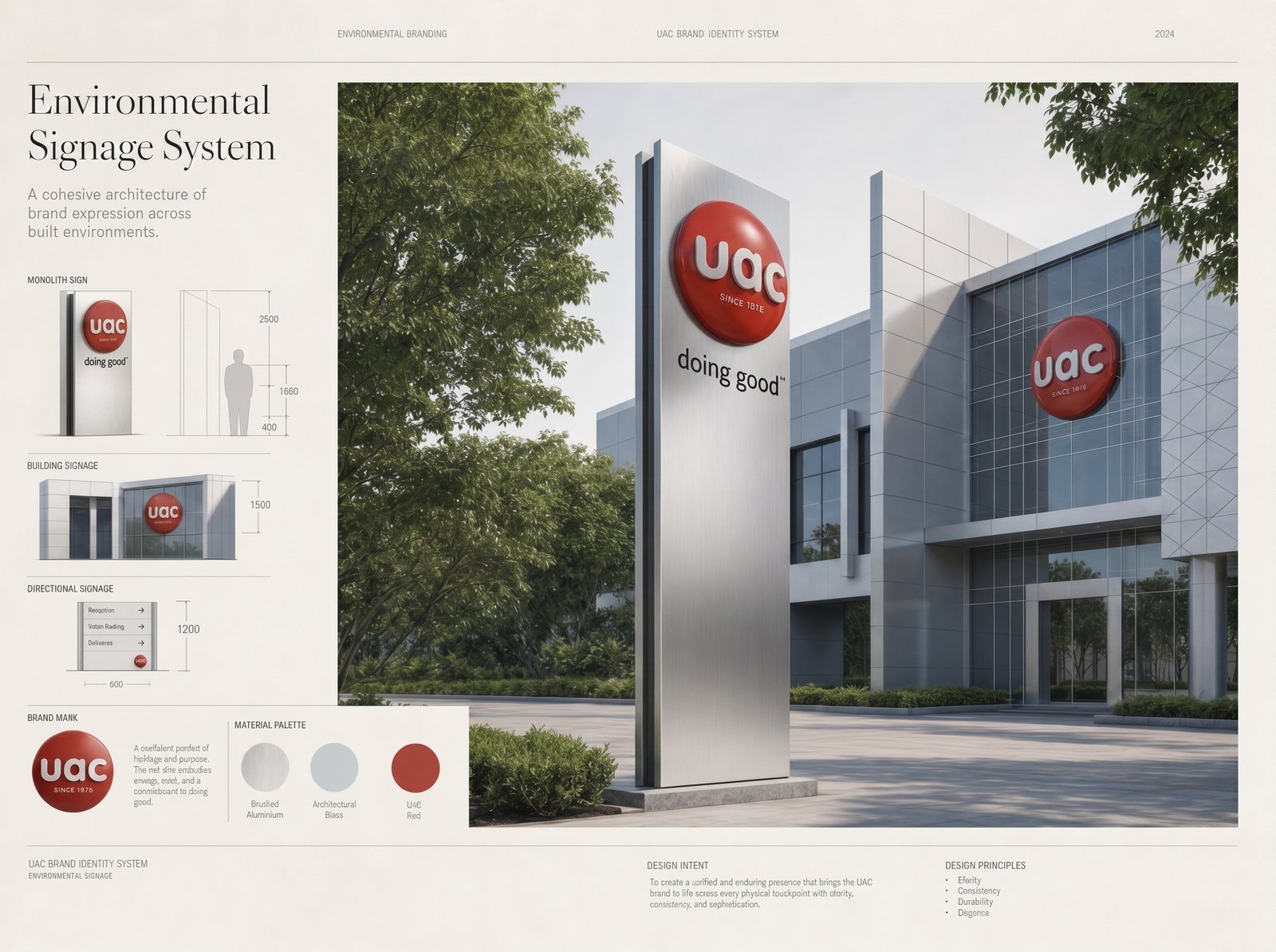
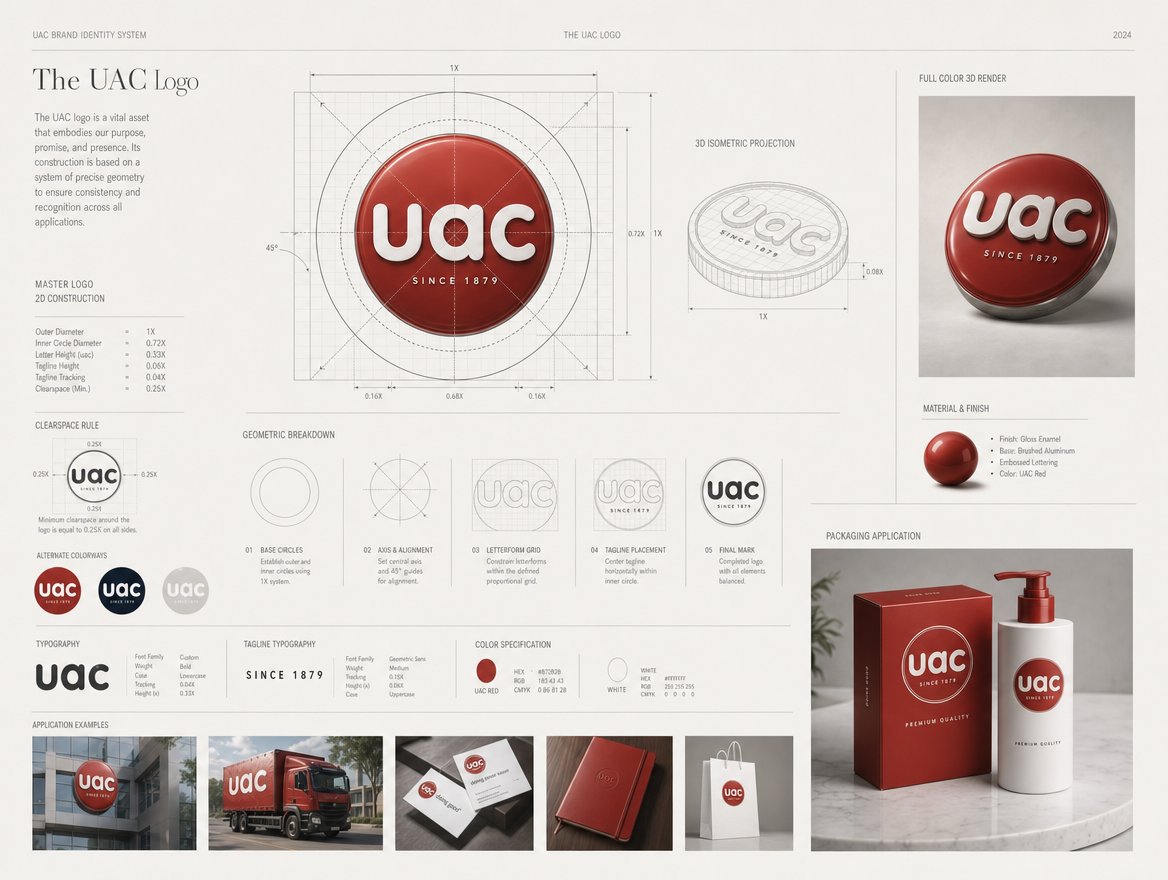
One of Nigeria's oldest and most diversified conglomerates, a century of business history compressed into a single identity system. The brief required a mark that could hold across twelve business units.
The solution was restraint. One mark, infinite application. Strip away every visual decoration until only the essential signal remains.
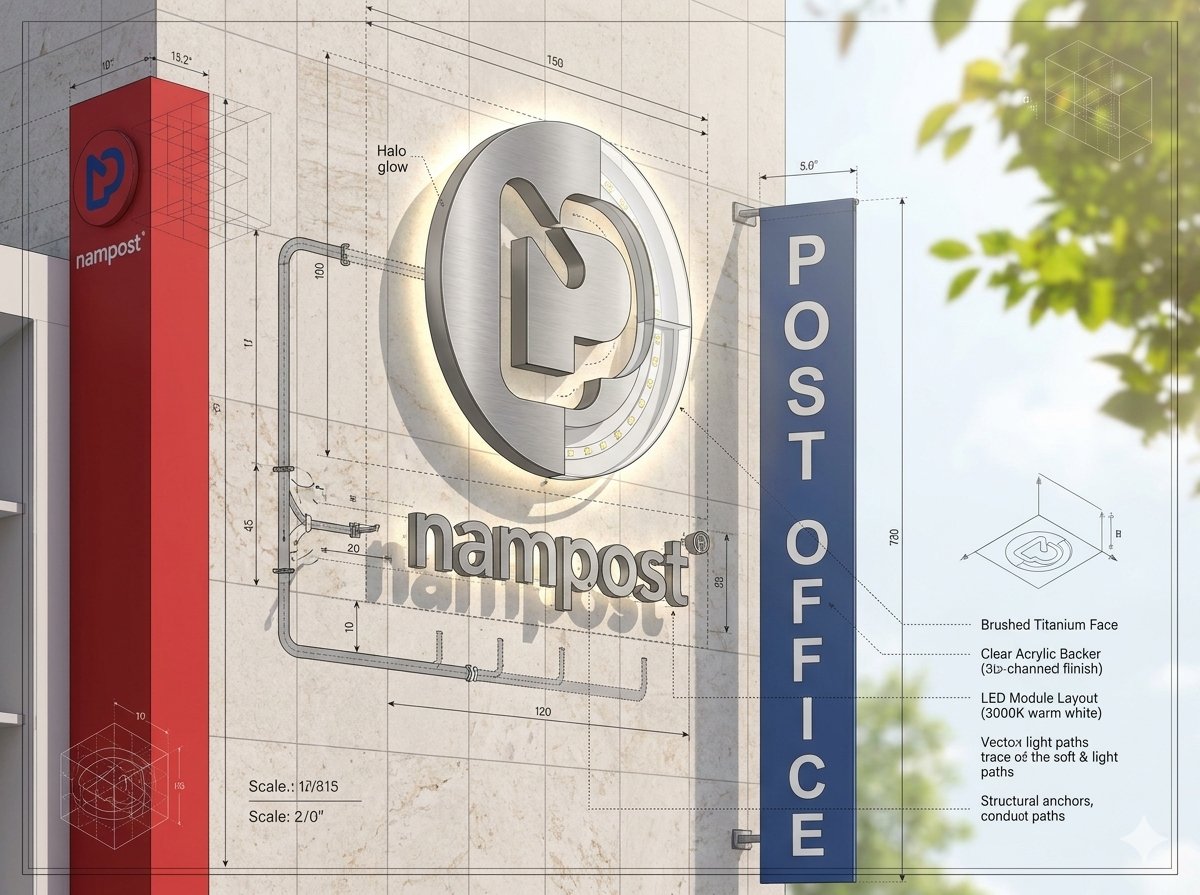
The national postal service of Namibia, rebranded as a modern financial services and communications platform. Make a government utility feel like a national institution.
The answer was to lead with typography and strip away every piece of visual bureaucracy. The mark that emerged was confident enough to stand alone.
A masterbrand campaign for one of Nigeria's most distinctive financial institutions. Sterling Bank had always occupied a particular position in the market: warmer, more human, less transactional than its competition.
The brief was to capture that character at scale, and make it feel earned rather than claimed. The result was a film that made the brand's personality the story, not just the backdrop.
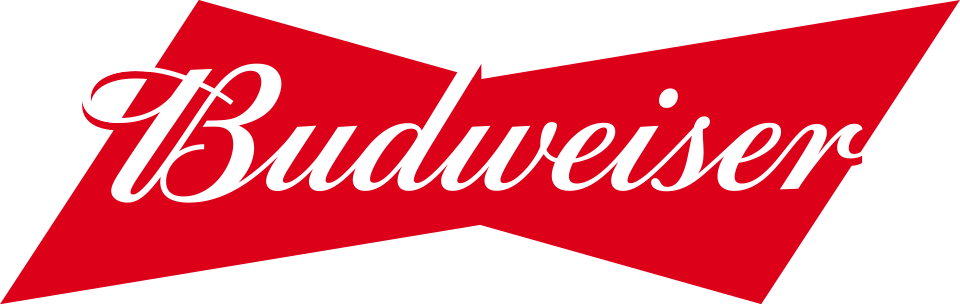
Launching a global icon into a new market. Budweiser entered Nigeria not as a foreign import but as a cultural statement, built around a generation that refused to fit in.
The King's Stitch turned the launch into a movement: a fashion line co-created with designers Tokyo James and Orange Culture, real quotes hand-stitched into each piece, and an original music project. A brand expressed as culture, not advertising.

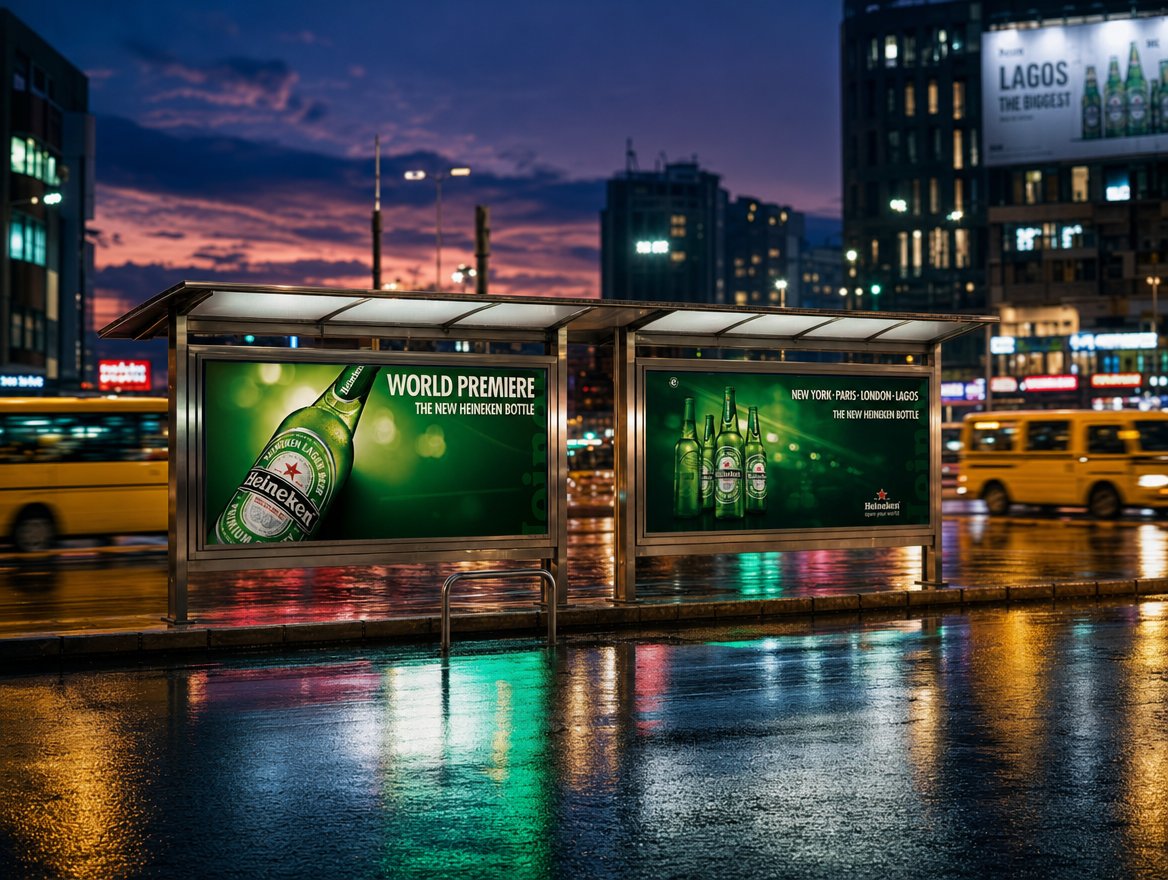
I led the creative vision for Heineken Nigeria at Publicis, most notably the launch of the new International Bottle. A high-impact campaign with a world-class commercial shot and post-produced in Malta by a global creative team.
My tenure also included helming the Nigerian rollout and creative execution for the brand's major James Bond partnership.
Clear the Air repositioned Nivea Men Dry Fresh around a universal social truth: nobody knows how to tell a friend they smell. A social-experiment campaign turned that awkwardness into the brand's job, making Nivea the diplomatic way to clear the air, literally and figuratively.
Protection is Human reframed sun care as instinct, not chemistry. Built on the image of a parent's shadow falling over a child in the sand, it cast sunscreen as an act of love: the most human protection there is.
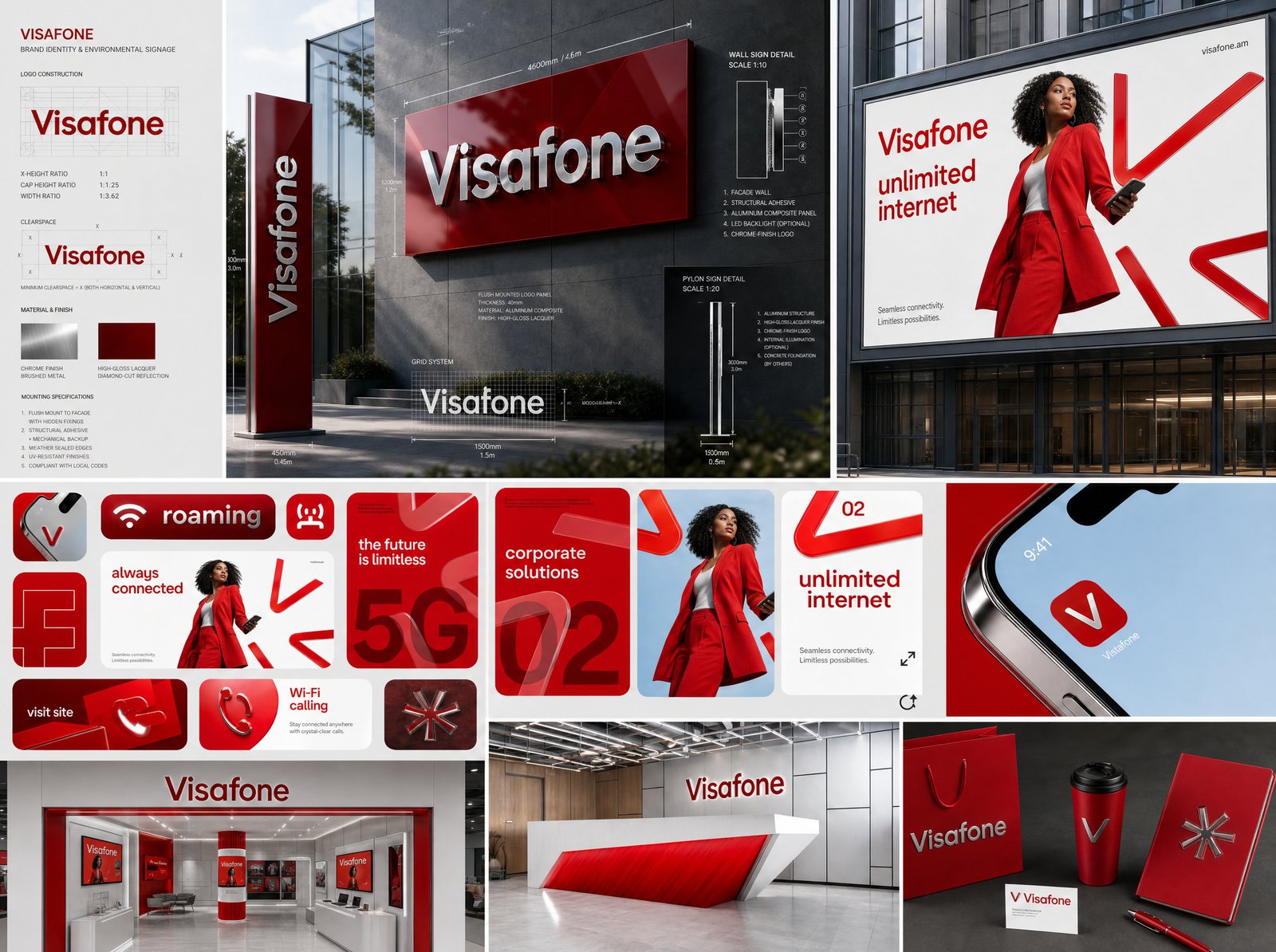
A telecoms brand built from the ground up. Logo, identity system, naming and visual language, designed to launch Visafone as a confident challenger in a crowded market.
From environmental signage to the app, every touchpoint carried one decisive red mark. A complete brand world, launched as a movement.
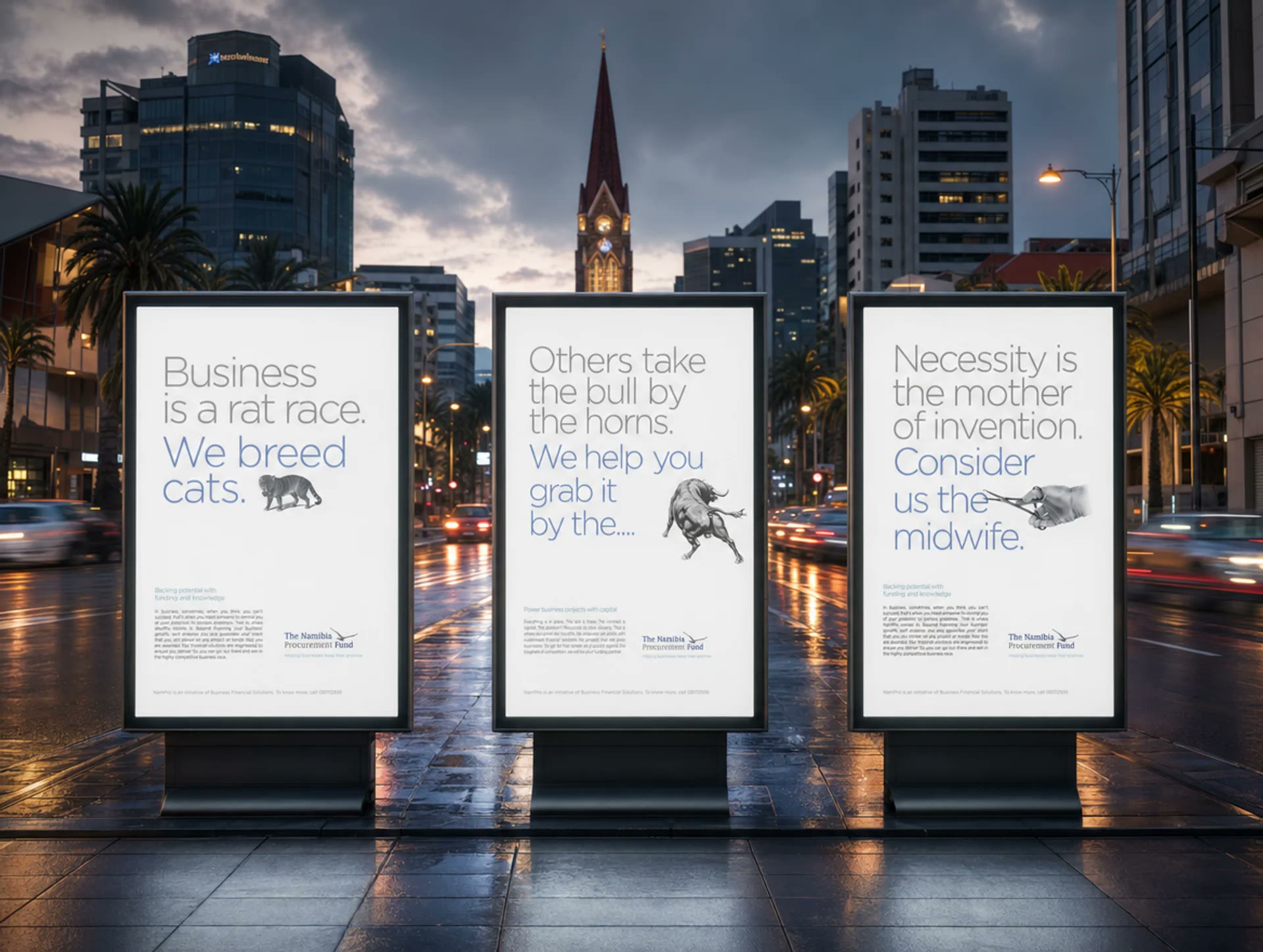
A corporate communication campaign to launch the Namibia Procurement Fund, a product backing entrepreneurs who had already won contracts but needed the capital to deliver.
The strategy was wit as credibility. "Others take the bull by the horns. We help you grab it by the…" A funding partner with a sense of humour, and a serious promise underneath.
The longest game I play. Original intellectual property: stories, characters and worlds that exist beyond any client brief.

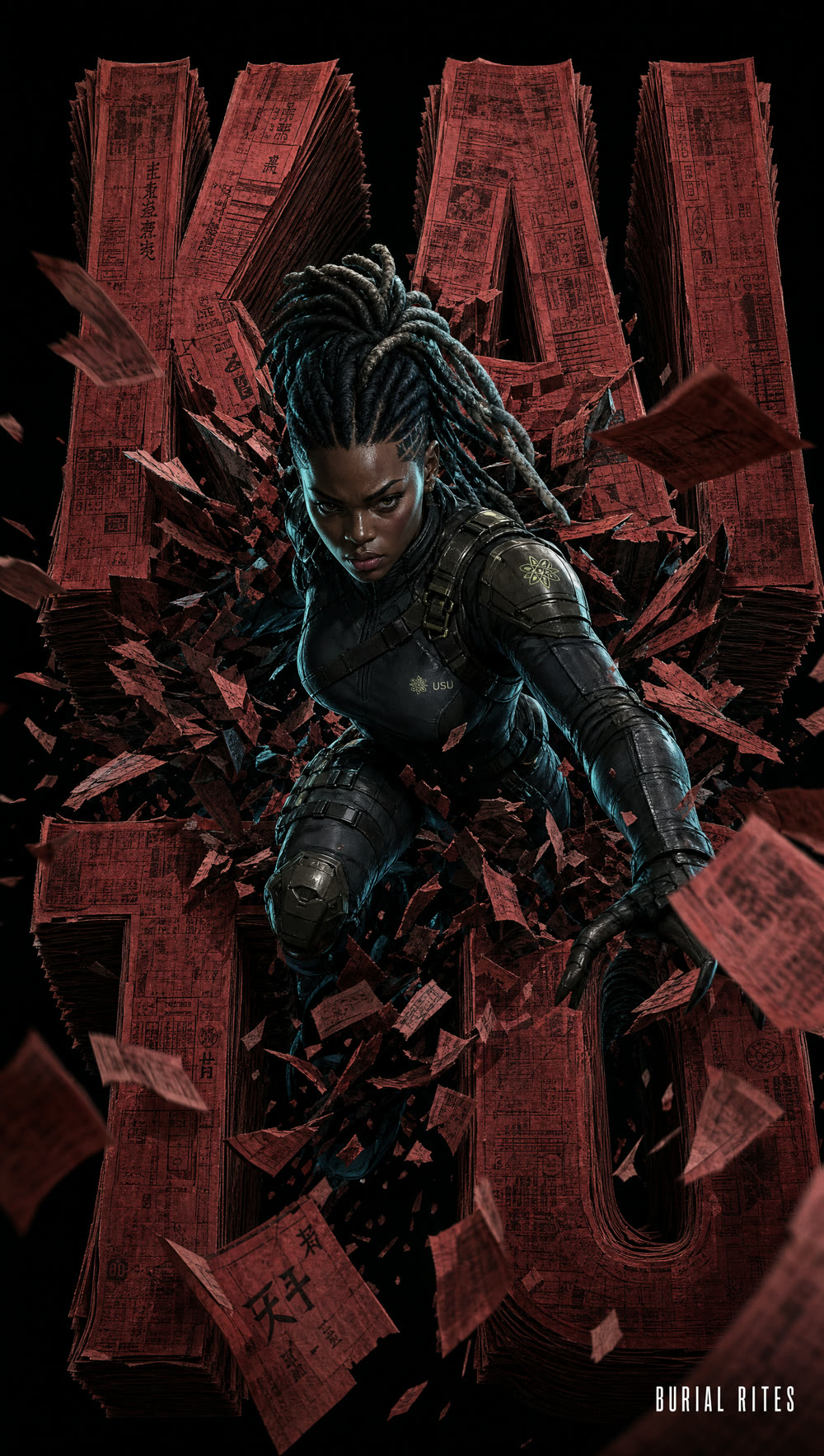
A cyberpunk noir set in ÈKÒ, the Lagos of 2045. One hero, Kaito, moving through a city that runs on debt, ritual and machines.
Built panel by panel as an original property. The characters, the world and the visual language all belong to nobody else.
First issue illustrated / Motion tests live / World bible in progress
Illustrated essays on building things that last. Scroll to read, or open the full sample as a PDF.
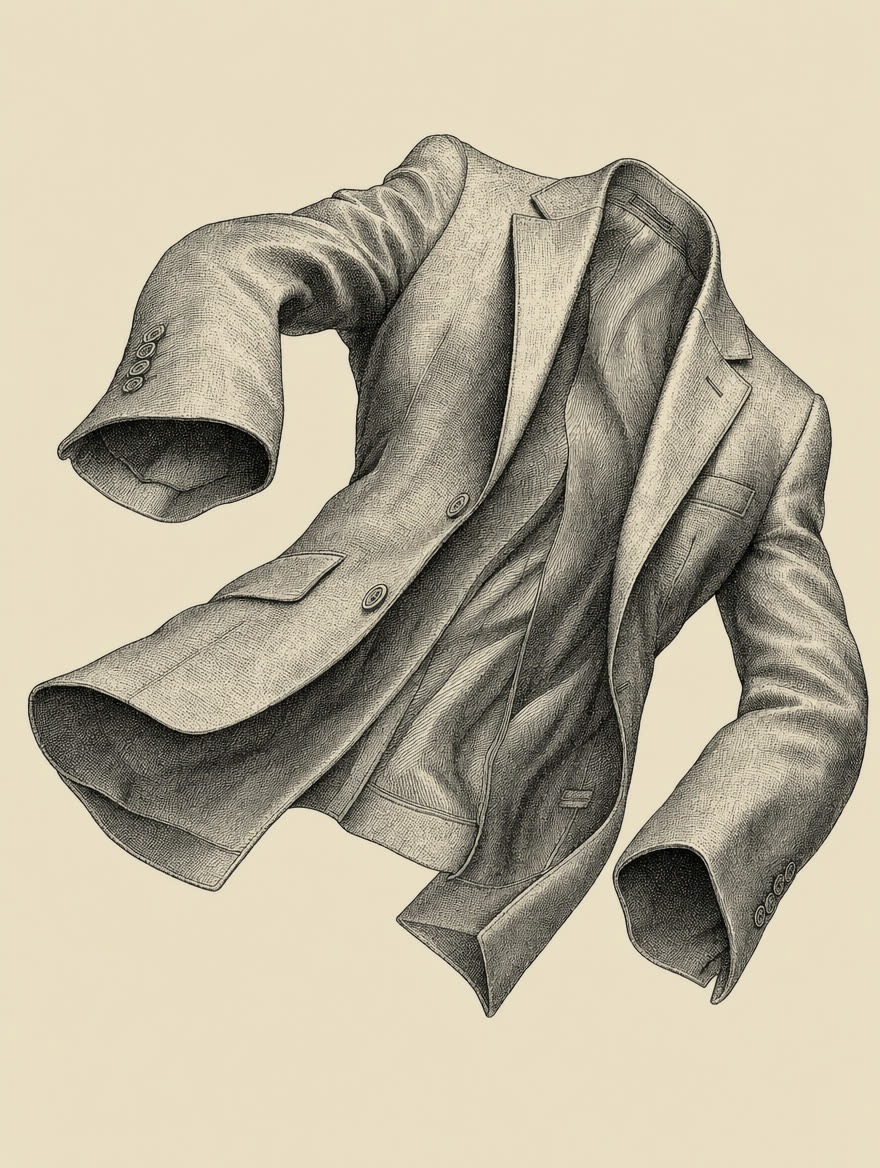
I was fifteen years old, and I was wearing my father's suit jacket.
It was too big for me in every direction. The shoulders sat somewhere below my own. The sleeves swallowed my hands if I let them. I had rolled the cuffs once that morning, then thought better of it and rolled them back, because a man does not turn up his sleeves at an interview, and that day I had decided I was a man. I was applying to be an art director.

A few months earlier I had been moving around with a couple of older guys who worked for a man with a production company. He was looking for animators and illustrators, for anyone who could draw and meant it. I could draw and I meant it, so I found a way in. That is how I ended up working on what I was told was the first animated music video made in Nigeria, for an artist called Lagbaja. I was a teenager with my hands on something that had never existed before. Nobody had to explain ambition to me after that. I had already felt it move.
The advertising idea came to me secondhand. My father had a friend who, as far as I understood it, worked somewhere as a graphic designer. I never learned the details. What I took from him was a single phrase, art director, and the sense that it was a thing a person could actually be. Then one day, reading the newspaper, I saw it printed in an advert. A company called Tequila wanted an art director. I read it the way you read your own name in a crowd. I applied. I genuinely believed I could do the work, which at fifteen is its own kind of qualification.
They called me in.
So there I was in my father's jacket, sitting in a room full of people who, to my fifteen-year-old eyes, looked about sixty. They were probably thirty. They found me funny. I could feel it, the warm amusement of grown adults around a child who has wandered into a room children are not meant to be in. I sat with it. Then they handed me the test, and I did it without thinking too hard, the way you do things before you have learned to be afraid of them, and I left.
The call came the week after. I was stunned. I went back.
This time I met the managing director. He looked at me for a long moment, then asked how old I was. When I told him, he laughed. Not a polite laugh. A big one, the kind that comes up from somewhere real. But underneath it he was already saying the other thing, the thing I had walked in hoping a stranger would say out loud: that there was no question I was talented. He quizzed me. He asked whether I had a laptop, what I had, what I could actually do, and I explained all of it.
Then he did the most generous thing anyone had done for me up to that point. He told me no.
Tequila was the wrong place for me, he said. It was more of a PR and brand outfit. What I needed was somewhere that would foster the thing he had just seen, train it, sharpen it, a properly creative shop. He had one in mind, inside his own network, and he sent me there.
The company was TBWA. That is where I got my first job, as an intern. That is where it began.
I have thought about that laugh for years. At fifteen I heard a man laughing at a boy in a jacket that did not fit. Later I understood it differently. He was not laughing at the jacket. He was laughing at the distance between how little I had and how much I was asking for, and then he closed that distance himself by pointing me somewhere better than the place I had aimed at.
Nobody starts with the right clothes. You borrow a jacket that does not fit, walk into a room where everyone is older than you, and ask for the job anyway. The asking is the whole thing.
Almost everything I have built since came from the same move, repeated in better-fitting suits. A boy in a jacket too big for him, saying yes, I can do this work, long before he has any real evidence that he can.

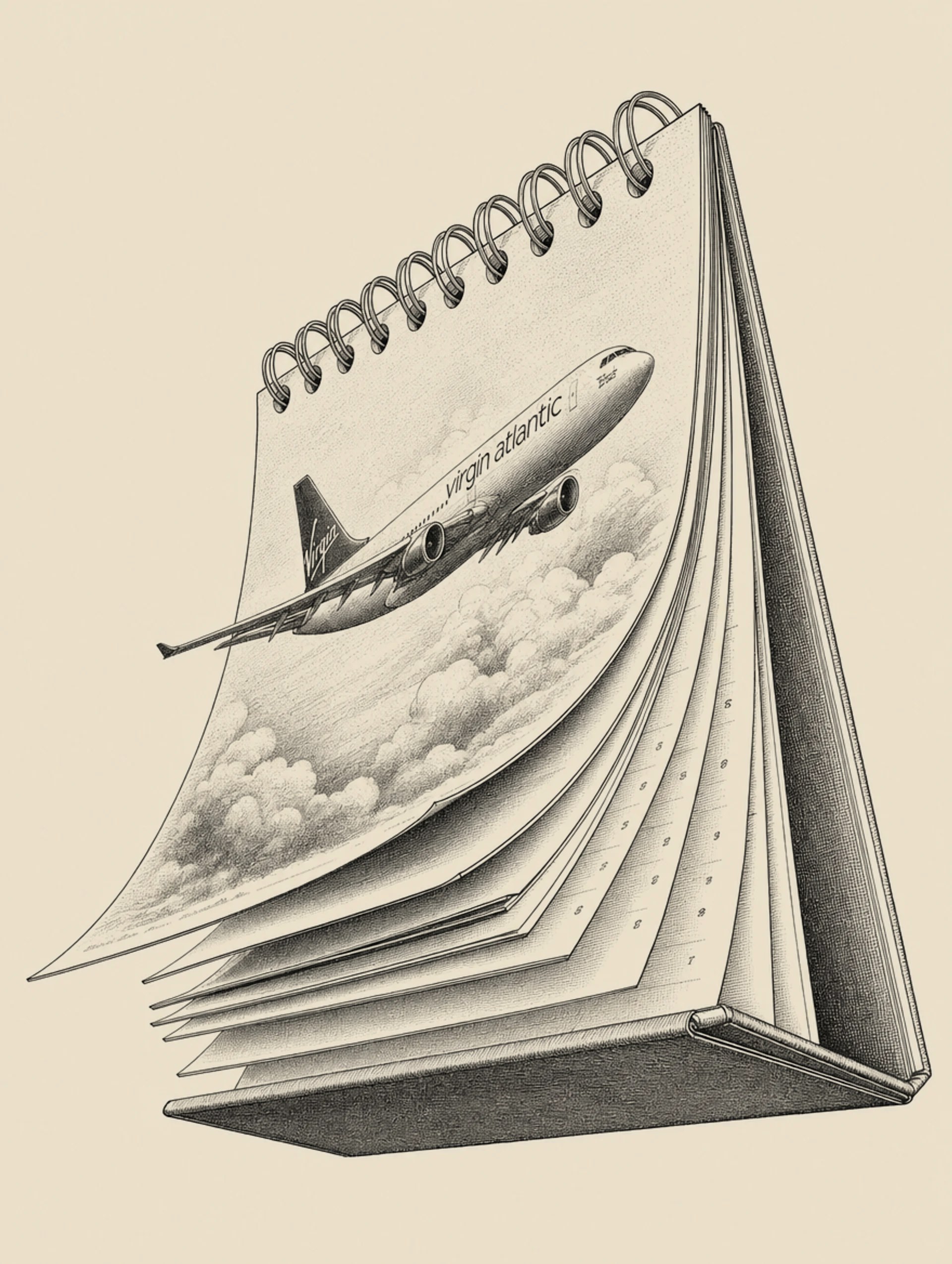
I still have the calendar. More than twenty years old now, carried through more offices and houses than I can count.
At TBWA my first real account as a lead creative was Virgin Atlantic. There were senior creative directors above me, people who had done this many times before. But I was the one who got to put his hands on the brand from the beginning.
At TBWA my first real account as a lead creative was Virgin Atlantic. The airline was coming into Nigeria, opening the route, and I was the first art director to work on the launch. There were senior creative directors above me, people who had done this many times before. But I was the one who got to put his hands on the brand from the beginning.
Somewhere in the materials they handed me was the brand manual, and with it a calendar, both produced by a company in the UK called Spark Creative. I have forgotten a great many names from those years. I have never forgotten that one.
I opened it and something in my head rearranged itself.
I had never seen work like that up close. The level of detail. The discipline in every margin and every rule. The way nothing was accidental and nothing was wasted, and yet the whole thing felt effortless, even the calendar, which is the kind of object most companies treat as a giveaway and forget. This one had been made by people who refused to treat anything as a throwaway. I sat with it the way you sit with something that is quietly informing you the bar is far higher than you thought.
Beauty made properly is a form of respect. I learned that from a calendar.
That book gave me an appetite I have never lost. After it, good enough stopped being good enough. Craft is not decoration applied at the end. It is evidence of how seriously you take the people who will receive it.
I should be honest, though. The reverence never made me precious.
When Virgin restarted the route from Lagos to Port Harcourt, I wrote the line for it. Port Harcourt carries a certain local reputation, its women said, with affection, to be a little wild, and I could not resist. The headline read: who says there is no Virgin in Port Harcourt. It was tongue in cheek and it knew exactly what it was doing. It worked. It is still one of the campaigns I am fondest of.
The two things have always lived together in me. The hunger for work made as beautifully as that Spark Creative calendar, and the cheek to write a double meaning and run it in public. Craft and mischief. I have never thought of them as opposites. The same attention that makes a margin perfect is the attention that makes a joke land. Both come from refusing to be careless. Both come from refusing to be boring.
I still have the calendar. I take it out sometimes. It still expands my head.
Set in Helvetica, written between Lagos and London, slowly and on purpose.
Open the full sample (PDF)The past is proof. The next twenty years are the point.